You have probably seen the videos of these crafty creatures stealing packets of crisps from the local corner shop. But have you ever wondered what do seagulls eat? Or maybe, the better question is, what don’t they eat! From seafood to street food, gulls are true opportunistic feeders with a hunger for almost everything.

The Natural Diet of Seagulls – Knowledge from Pest Bird Solution Specialists
When left to their own devices in coastal areas, seagulls feed on a rich variety of marine food sources. In their natural environment, gulls typically look for the following meals.
Fish and Marine Life
Fish make up a substantial portion of what seagulls naturally eat. They are skillful fishers and employ a variety of techniques to get their catch of the day. These include:
- Surface snatching: catching fish that are swimming near the surface of the water with barely more than a quick dip of the beak or feet, skimming the water.
- Plunge-diving: diving from the air into the water to seize fish from a shoal below the surface.
- Float fishing: patiently resting on the water’s surface and waiting for fish to swim near, then dipping below to grab the prey.
You’ll often spot Herring Gulls skilfully catching fish in shallow waters, especially at low tide when their prey is easier to spot and snatch.
Gulls are also fond of various marine creatures including, crabs, mussels, and other small crustaceans that they discover while patrolling the shoreline. They are clever birds and will drop shellfish onto hard surfaces to crack them open and access the insides.
Terrestrial Food Sources
When seagulls venture inland, they quickly adapt by feasting on earthworms, beetles, and other land-based invertebrates and insects.
The larger species, such as Black-Backed Gulls and the smaller Lesser Black-Backed Gulls, aren’t afraid to target small mammals like mice and voles. Farmers report gulls following behind tractors and equipment, ingeniously swooping down to grab any small creatures disturbed by the machinery.
Feeding Habits Among Different Species of Gulls
Although we are using the term “seagull”, which is a common colloquialism for many species of gulls. Each individual type of gull has its own dining preferences and hunting techniques.
Herring Gull
The Herring Gull is one of the most common gull types along UK coastlines and in cities.
These birds will eat almost anything they can get hold of, including fish, shellfish, and, increasingly in urban areas, our leftover food. We’ve seen parent Herring Gulls actively teaching their young to pinch food from other birds and people. This behaviour is becoming increasingly common in seaside towns and city centres across the UK, leading to valid public concerns.
Great Black-Backed Gull
As the biggest gull species in the UK, the Great Black-Backed Gull is a fierce hunter.
These impressive birds often feed on larger prey, including smaller seabirds and their eggs. They can handle bigger fish than their gull cousins and have been known to attack and devour birds as large as ducks.
Lesser Black-Backed Gull
The Lesser Black-Backed Gull tends to favour fish more than other gulls but remains just as adaptable to whatever food is on the menu.
During nesting season, these gulls are known to travel considerable distances inland to feed at landfill sites before returning to their coastal nesting sites with food for their chicks. As a migratory species, they rely on remarkable navigation skills, making them efficient commuters between feeding grounds and nesting sites.
Kittiwake
Although you may not classify a Kittiwake as a seagull due to its softer appearance and less aggressive personality, it is still part of the gull family. Unlike its cousins, the Kittiwake sticks closely to a natural diet. They feed almost exclusively on fish and marine invertebrates and rarely bother with human leftovers.
Opportunistic Feeding Behaviours of Gull Species
Seagulls have earned their reputation for taking advantage of any food opportunity that presents itself. This flexible approach to dining has helped gull populations to thrive in various settings, even as their traditional habitats face increasing pressures from human disturbance and pollution.
Kleptoparasitism – Scavenger Thieves
Gulls practice Kleptoparasitism, or in simpler words, food thievery. Gulls will persistently hassle other birds, like pigeons or doves and birds of prey, until they drop their food. Providing an easy meal without the effort of hunting.
Brave, bold and resourceful, gulls don’t only steal food from other birds. They take on larger animals too, including humans. From swooping down to snatch sandwiches straight from hands to dive-bombing from behind in the hope of startling people into dropping food, gulls have mastered the art of thievery.
Urban Adaptations
In towns and cities, seagulls have become skilled at finding human food sources.
They quickly learn to identify places where food is plentiful. Outdoor cafés, popular picnic spots, and school playgrounds at lunchtime are prime hotspots.
These opportunist birds won’t hesitate to scavenge any food left unattended. Some gulls are creatures of habit, returning to specific locations at the same time each day when they know food will be available, such as when fishing boats return to harbour or when market stalls are packing up.
Pigeons can exhibit this same behaviour, although feral pigeon lifespan is remarkably shorter than seagulls.
The Impact of Human Food on Seagull Diet
Unfortunately, our food has gradually become a major part of many seagulls’ diets, especially for those living in seaside towns and cities.
Food Scraps and Waste
Easy access to our leftover food has significantly changed what many gull species eat naturally.
Food waste from bins, landfills, and people directly feeding them makes up a large portion of their diet. This reliable supply of high-calorie food has contributed to growing gull populations in urban areas.
Should You Feed Seagulls?
While it might seem nice to share your food with these persistent birds, it is important not to feed seagulls. Doing so teaches them to connect humans with food, which can lead to increasingly aggressive and bold behaviour. It also discourages them from eating their natural diet, which provides much better nutrition than processed human foods.
Feeding seagulls can create lasting problems for both communities and the birds themselves. For the health of the gulls and the wider ecosystem, it is important to allow these birds to hunt, forage and feed naturally.
Problem with Gulls? Contact Pest Bird Solutions
Gulls are a protected species by law. This means that if you are having trouble with seagulls around your home or business, you should make sure to call in professional pest controllers to solve the situation. Luckily, we can help!
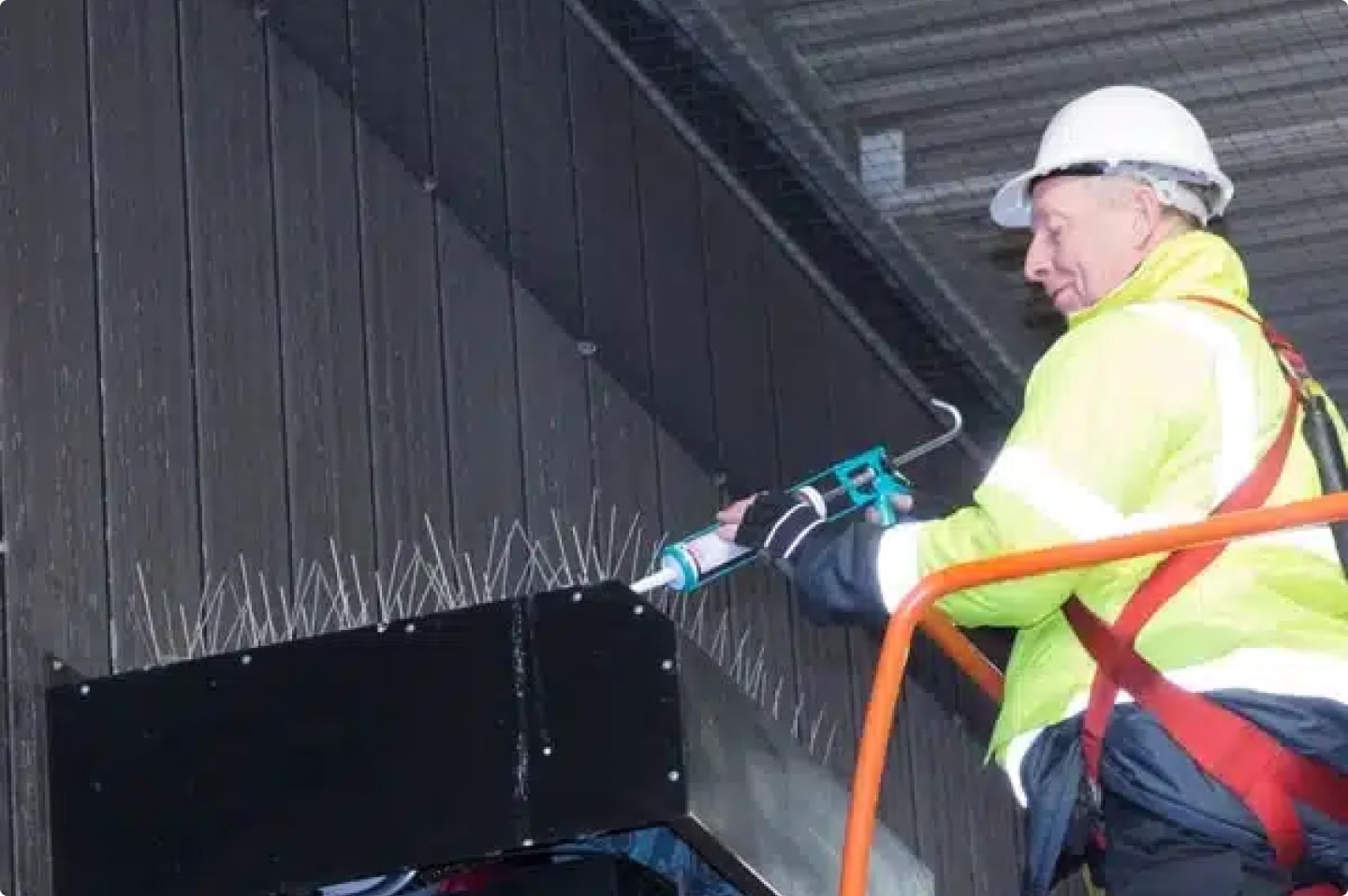
At Pest Bird Solutions, we have all the knowledge, equipment and tools on hand to help solve your problem. With decades of experience, let us handle the law and handle your gulls! From preventing nesting to keeping them out of your bins, we’ll make sure these adaptable birds stick to their natural diets, not your leftovers.
Contact our experienced team today for help with humane and effective bird control solutions. Call us on 0800 027 2555.